The brain exercises to prevent dementia that older adults should do are learning a new skill or hobby, doing puzzles and strategy games, practicing memory training exercises, reading and writing, and staying social and engaging in conversations. These activities can significantly decrease your risk of dementia.
According to the National Institutes of Health (NIH), dementia affects more than 6 million Americans and accounts for more than 100,000 deaths each year. These numbers are only set to grow, so it's important to do everything in your power not to become a statistic.
Therefore, seniors in Broken Arrow, OK, should be interested in learning brain exercises to prevent dementia. Not only are they simple to learn, but they're also easy to incorporate into your daily life.
What Are the Mental Exercises To Prevent Dementia?
Lifelong mental wellness starts with good habits. Here are our top suggestions for mental exercises that'll keep your brain health strong.
Learn a New Skill or Hobby
One of the best ways to keep dementia at bay is to learn a new skill or hobby. This keeps up cognitive health for seniors since you're challenging yourself, but in a fun way.
For example, when you pick up a new hobby or activity, you activate multiple areas of the brain at once. As a result, you'll build new neural pathways and improve brain plasticity, which is your brain's ability to adapt and stay resilient as you get older.
The key is to do something new and complex. The more unfamiliar and mentally engaging the task, the more benefits you'll reap. Even just practicing for 20-30 minutes a few times per week will give you meaningful long-term benefits.
Do Puzzles and Strategy Games
Puzzles and memory games for older adults can be a fun way to keep your mind active and improve cognitive performance. Examples here include:
- Sudoku
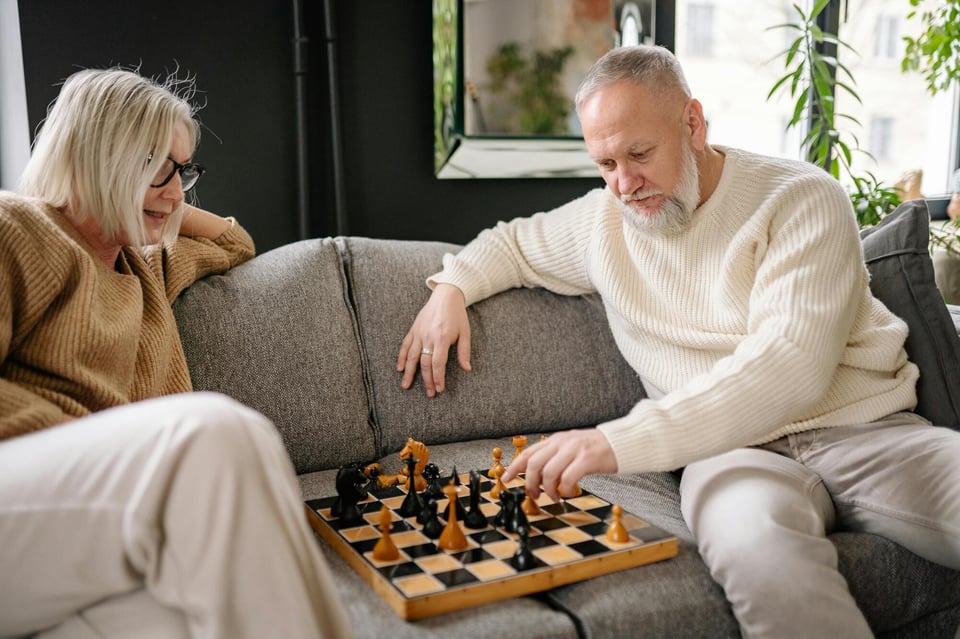
- Chess
- Card games
- Word searches
- Logic puzzles
These can all challenge your brain's memory and reasoning, as well as pattern recognition and problem-solving skills. You'll have to focus and plan to play these games, and this will strengthen your attention span and mental flexibility.
Just make sure to do a variety of puzzles rather than repeat the same type. That way, you can challenge different parts of your brain.
Practice Memory Training Exercises
Memory training exercises are excellent as part of brain training routines. They're specifically designed to strengthen recall, attention, and information processing.
It doesn't have to be hard either. There are simple activities to do, such as memorizing:
- Grocery lists
- Phone numbers
- Short poems
- Sequences of words
- Details from books, movies, or conversations
Another effective technique is visualization. Create mental images to represent information, as this makes it easier for the brain to store and retrieve information.
Read and Write
Reading and writing are both powerful mental workouts, and what's great is that they stimulate multiple brain functions at once. For instance, reading improves comprehension, vocabulary, attention, and imagination, while writing strengthens memory, organization, and critical thinking.
To get the most out of these exercises, read materials that challenge you, and put down familiar content. As for writing, you can make it more effective by:
- Reflecting on what you read
- Forming opinions
- Discussing it with others
Stay Social and Engage in Conversations
One of the most organic ways to get senior brain support is to stay social. If you're surrounded by others, such as your family members or fellow residents at a senior living community, then this shouldn't be hard to do.
When you talk with others, this requires your brain to use all of these things at once:
- Memory
- Language
- Attention
- Emotional processing
- Quick thinking
Another benefit of social interaction is the reduction of stress and loneliness. Both of these things are linked to faster cognitive decline.
And what's better than maintaining healthy family relationships? It's a win-win situation where you can look after your cognitive health while staying in touch with your loved ones.
Frequently Asked Questions (FAQs)
What Causes 70% of Dementia?
According to the World Health Organization (WHO), Alzheimer's disease causes 60-70% of dementia cases. This makes it the most common form of dementia.
Alzheimer's is a progressive neurodegenerative condition, and it damages your brain cells. It affects how they communicate since there's a buildup of amyloid plaques and tau tangles in the brain. As a result, it interferes with the following over time:
- Memory
- Thinking
- Reasoning
The exact cause of Alzheimer's isn't fully understood. But it may develop due to a combination of:
- Genetics
- Aging
- Lifestyle factors
- Overall brain health
What Vitamin Deficiency Is Linked to Dementia?
The vitamin deficiency that's most strongly linked to dementia-like symptoms is vitamin B12 deficiency. This vitamin is responsible for maintaining healthy nerve cells and supporting brain function.
So when levels are too low, you might experience:
- Memory problems
- Confusion
- Difficulty concentrating
- Mood changes
If left untreated, this deficiency can cause permanent neurological damage. So make sure to get screened and take supplements if needed.
Who Is Least Likely To Get Dementia?
People who are least likely to develop dementia usually have a combination of protective lifestyle, health, and genetic factors. You may have a significantly lower risk if you:
- Stay physically active
- Are mentally engaged
- Are socially connected
- Maintain good cardiovascular health
Genetics and aging do matter, but in general, leading a healthy lifestyle will lower your risk. This means don't smoke, drink alcohol in moderation, eat a brain-healthy diet, and maintain strong cognitive habits. You should also manage conditions like:
- High blood pressure
- High cholesterol
- Diabetes
- Obesity
Use Brain Exercises to Prevent Dementia
Cognitive issues are never pleasant to deal with, so you should use these brain exercises to prevent dementia. They'll keep your mind flexible and challenged, and your overall quality of life will be better.
You should also combine these exercises with a healthy lifestyle. Considering that dementia happens because of a number of factors, it's best to keep all your bases covered.
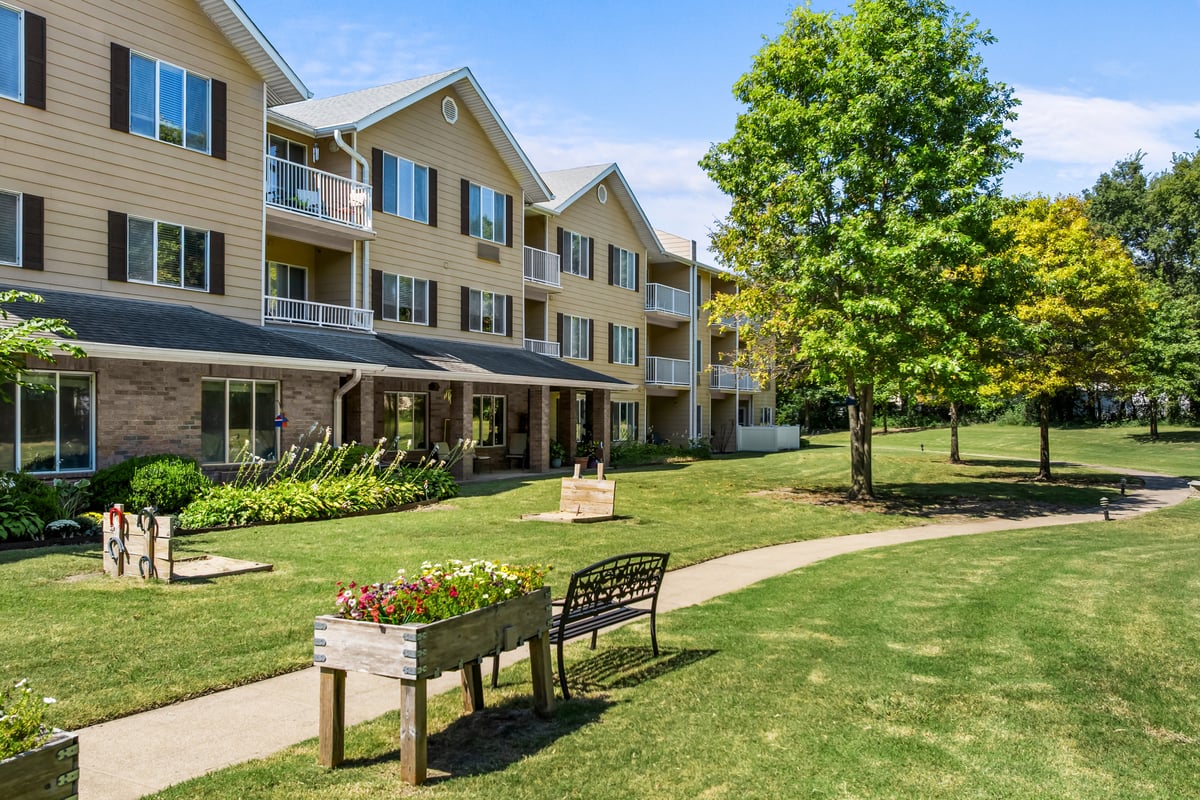
Contact us today to schedule a tour of our senior living community in Broken Arrow, OK. Morada Broken Arrow has a library that's stocked full of books to keep you mentally engaged and well.