
For seniors, tracking and maintaining good heart health simply requires awareness, consistency, and a few smart habits. Signs of good heart health can be tracked by observing energy levels, monitoring blood pressure, and checking heart rate. Additional senior heart check tips include monitoring weight, scheduling routine heart check-ups, and keeping track of sleep patterns.
According to data cited by UCSF Health from the American Heart Association, nearly 8 in 10 cardiovascular disease deaths occur in adults aged 65 and older.
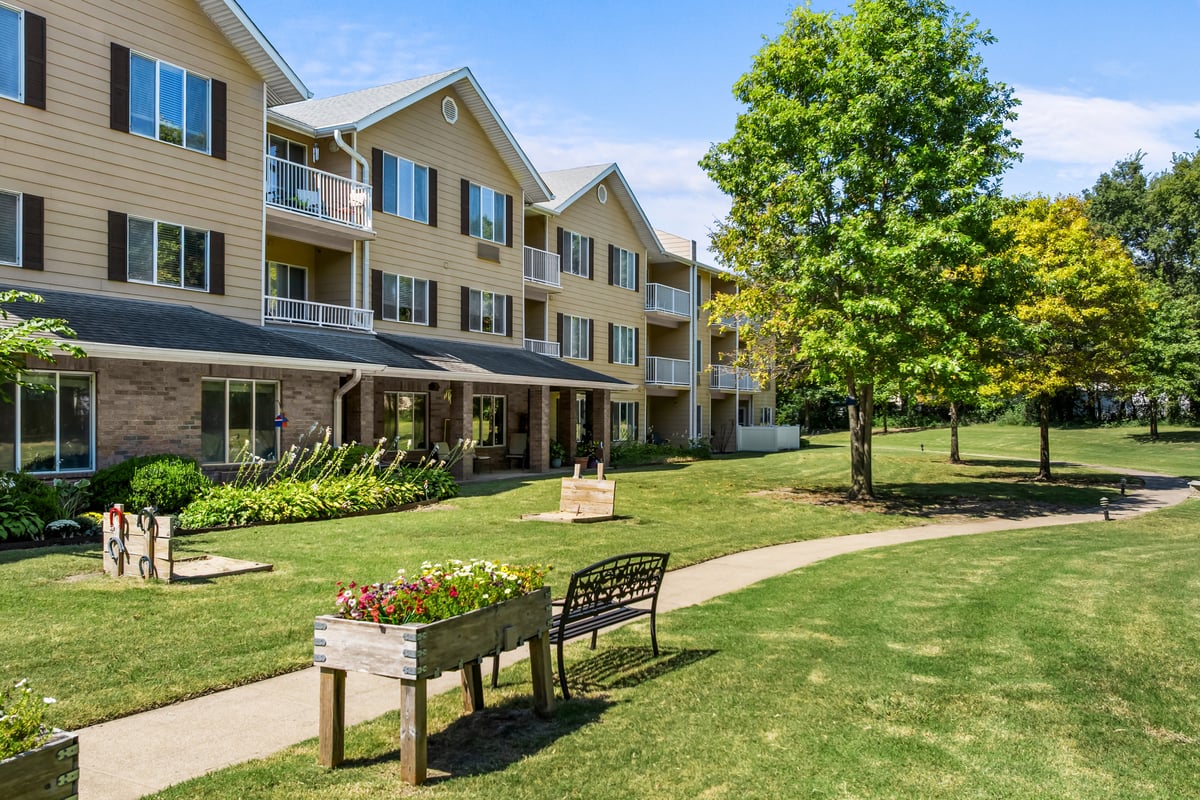
Moving to a community like Morada Broken Arrow, located in Broken Arrow, OK 74012, can be a meaningful step toward taking control of your heart health. Our structured daily routines and socialization opportunities support aging heart care by keeping residents active and connected.
What Are the Heart Conditions for the Elderly?
As the body ages, changes in the heart and blood vessels can raise risks that impact overall senior health. Understanding age-related heart risks helps older adults seek treatment sooner and improve overall health outcomes.
Coronary artery disease, also known as ischemic heart disease (IHD), is a leading heart condition in older adults. Other heart issues that seniors may face include:
- Heart failure
- Heart attack
- Peripheral artery disease
- Heart valve disease
Can a Weak Heart Become Strong Again?
While not every heart condition can be reversed, many seniors can experience meaningful improvements with proper care, lifestyle changes, and medical guidance. The heart is remarkably adaptive, with a natural ability to remodel and recover. This enables many seniors with heart conditions to recover, leading to an experience of:
- Improved mobility
- Enhanced strength and stamina
- More energy
- Increased independence
- Better breathing
- A better quality of life
What Foods Are Good for the Heart?
Some common foods that support senior heart health include:
- Nuts like walnuts and almonds
- Fatty fish like Salmon and trout
- Avocado
- Leafy greens like spinach
- Whole grains
Nuts are rich in heart-healthy unsaturated fats, fiber, and antioxidants. Fatty fish, rich in omega-3s, help maintain heart health by reducing triglycerides, inflammation, and promoting regular rhythms.
Packed with vitamins, minerals, and antioxidants, leafy greens provide potassium that helps maintain blood pressure and arterial health. Whole grains provide soluble fiber, which lowers bad cholesterol and helps manage blood pressure.
Monitoring Heart Health Signs to Support Wellness in Independent Living
As the risk of heart problems grows with age, routine heart health checks provide early insights that support prevention and healthy habits. Here's how seniors can monitor heart health and support their wellness in IL.
Observing Energy Levels
Energy levels influence how much physical activity an older adult can comfortably perform. A steady drop in energy and stamina may indicate cardiovascular strain or diminished aerobic capacity.
Higher energy levels in seniors encourage regular physical activity, supporting heart health through improved circulation and a stronger heart muscle.
At Morada Broken Arrow, our senior-focused fitness center promotes movement that boosts energy, strengthens the heart, and improves circulation.
Monitoring Blood Pressure
Blood pressure reflects how the heart responds to everyday factors like:
- Stress
- Sleep
- Physical activity
- Certain foods
By monitoring regularly, seniors can understand what supports or strains their heart health. Blood pressure readings reveal progress from staying active, eating well, or managing stress, encouraging ongoing healthy habits.
Checking Heart Rate
Routine heart rate checks help identify unusual patterns, such as when the heart is working harder than normal. A steady and healthy resting heart rate is often a sign that the heart isn't under unnecessary strain.
Signs of potentially unhealthy heart rate include:
- Feeling unusually tired
- Unexpectedly fast or slow heart rate
- Chest discomfort or pressure
- Shortness of breath
- Fluttery or irregular heartbeats
Monitoring Lifestyle Indicators
Body weight and diet are essential lifestyle indicators that seniors should track to support and maintain their heart health. Sudden weight gain or loss can signal fluid buildup or metabolic changes linked to heart problems.
By monitoring diet, seniors can make heart-healthy choices that positively influence cholesterol, blood sugar, and arterial health. Independent living communities provide chef-prepared meals designed to promote proper nutrition and support seniors' heart health.
Scheduling Routine Heart Check-Ups
Regular check-ups help doctors identify early signs of heart disease before they become serious. They also allow doctors to adjust heart-related medications for seniors. This ensures that treatments for blood pressure, cholesterol, and other conditions remain effective.
Keeping Track of Sleep Patterns
Tracking sleep patterns can reveal sleep apnea, which disrupts breathing and increases the risk of high blood pressure, irregular heartbeats, and heart disease.
Many sleep-tracking devices monitor heart rate at night, alerting seniors and doctors to irregularities before they become serious. Monitoring sleep helps seniors understand how their habits impact heart health and adjust accordingly.
Frequently Asked Questions (FAQs)
What Mental Health Factors Influence Senior Heart Health?
Chronic stress, depression, and anxiety can significantly harm senior heart health. These factors can trigger unhealthy habits like overeating, smoking, or inactivity, which harm heart health.
Over time, mental health challenges can elevate heart rate and blood pressure. This contributes to hypertension, arterial damage, and a greater risk of heart attack or stroke.
How Does Diabetes Affect Heart Risk for Seniors?
High blood sugar can harm artery walls, causing fatty deposits known as plaques to form. Plaque buildup gradually narrows arteries, a condition known as atherosclerosis, which restricts blood flow.
Diabetes triggers chronic inflammation and raises the risk of blood clotting. Narrowed arteries, inflammation, and blood clotting can cause heart attacks and strokes in seniors.
What Vaccines Help Protect Seniors' Hearts?
The right vaccines lower inflammation, prevent blood clots, and reduce stress on the heart. Vaccines that can help protect seniors' heart health include:
- Influenza (flu) vaccine
- COVID-19 vaccine
- Pneumococcal (pneumonia) vaccine
- Shingles (herpes zoster) vaccine
Revealing Signs of Good Heart Health for Seniors' Overall Well-being
Tracking the signs of good heart health empowers seniors to maintain independence, stay active, and enjoy life fully. Simple daily checks, like monitoring blood pressure and staying in touch with healthcare providers, help maintain a stronger, healthier heart.
At Morada Broken Arrow, residents thrive both socially and physically, enjoying inclusive amenities like picturesque walking paths, a fully equipped game room, and regular wellness workshops and yoga. Our structured activity calendar offers engaging events, including education with Choice Health, lunch outings at Smokies, fingernail painting, movie nights, and singing and worship.
Contact us today to add joy and vitality to your golden years.