
Deciding what to do with a house when moving to a community for senior living can feel nearly as significant as choosing the community itself. You may sell before the move, rent the property, or keep it temporarily while you settle in. The best choice depends on your finances, timeline, family needs, and comfort with ongoing homeownership.
Selling Your House Before Moving to Independent Living with supportive services**
Selling a house before moving to Independent Living with supportive services** can simplify the transition. The sale may free up home equity, reduce monthly expenses, and remove the responsibility of maintaining two properties.
Common reasons older adults choose to sell include:
- Eliminating mortgage payments, property taxes, and ongoing maintenance costs.
- Using proceeds to support monthly expenses and personal needs and interests.
- Avoiding repairs, yardwork, and security concerns at an empty property.
- Starting the move with fewer financial and logistical responsibilities.
Home sale timing for seniors varies. Some people sell first because they need the proceeds for the move. Others move into their new apartment home and list the house afterward, which can make clearing out the home, repairs, and showings less disruptive. A local real estate professional can help you consider market conditions, preparation costs, and a realistic closing timeline.
Should You Rent or Sell Your House for Senior Living Funds?
The decision to rent or sell a house for senior living funds often comes down to income, effort, and long-term plans. Renting may provide monthly income while allowing the property to remain part of your financial portfolio. It may also preserve a familiar house for future family use.
However, rental income is not completely hands-off. Owners remain responsible for rental expenses and labor such as repairs, insurance, taxes, tenant questions, vacancies, and lease requirements. A property management company can handle much of the daily work, but its fees should be included when estimating your expected income.
Before choosing, compare the likely rental return with the time, cost, and responsibility involved. Selling may offer simplicity and immediate access to equity. Renting may make sense when the house is in good condition, demand is steady, and trusted help is available.
Keeping Your House While Living in a Community for Senior Living
Keeping a house while living in a senior living community can provide a temporary sense of flexibility. Some older adults prefer to move first, experience their new routine, and make a permanent property decision after several months.
This approach requires enough income or savings to cover both residences. Review the full monthly picture of costs and responsibilities, for both maintaining homeownership and moving to a senior living community:
- Mortgage payments, property taxes, and homeowners insurance.
- Utilities, landscaping, seasonal upkeep, and unexpected repairs
- Security checks, mail management, and preparation for severe weather.
- Community rent, moving expenses, and everyday personal spending.
An unoccupied house still needs regular attention. Arrange for a trusted person to visit, confirm that systems are working, and address small problems before they become expensive. Set a decision date so a temporary plan does not become an open-ended obligation.
Real Estate Decisions for Older Adults
Real estate decisions for older adults should support both financial stability and the lifestyle they want next. Consider how much time you want to spend managing property, whether family members are available to help, and how each option may affect taxes or estate plans. A financial advisor, tax professional, and real estate professional can provide guidance based on your circumstances.
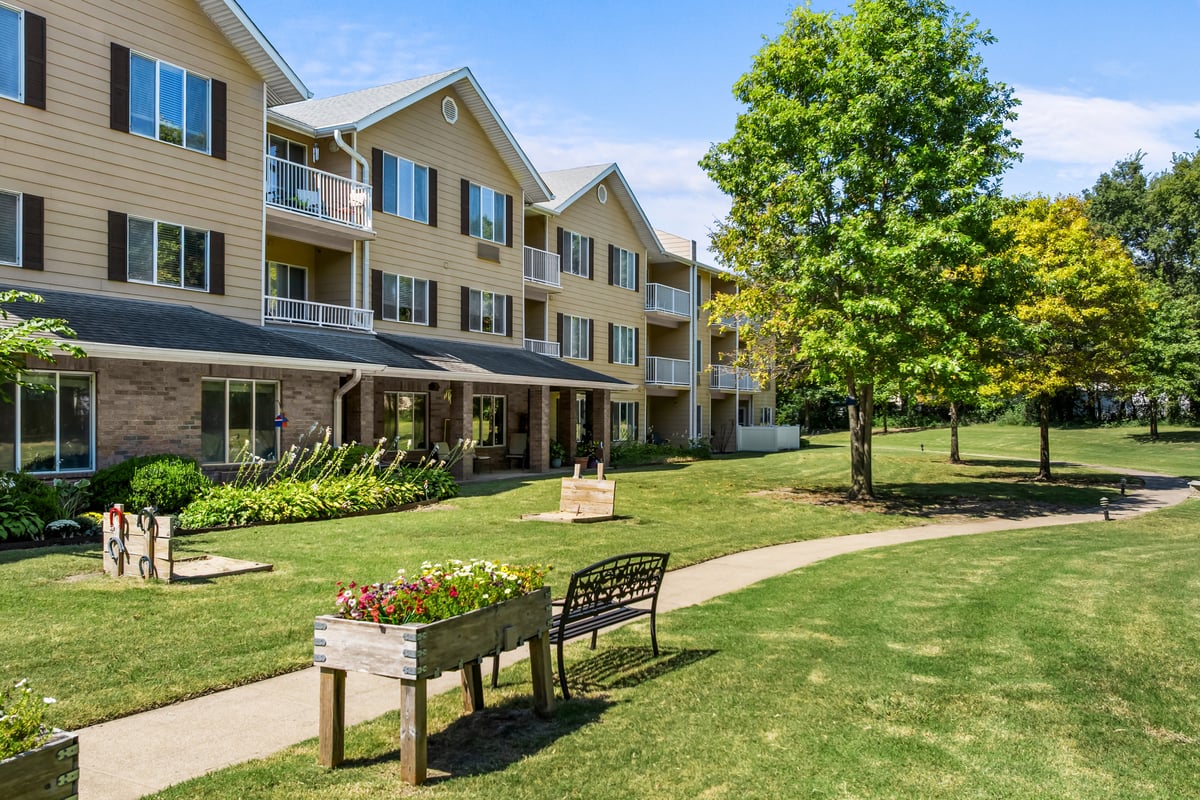
It also helps to understand what your new monthly expenses include. At Morada Broken Arrow, residents can choose among apartment home and cottage floor plans. Our wooded community includes scenic walking paths, a courtyard, a garden, and inviting shared spaces. Three chef-prepared meals each day, housekeeping, and complimentary scheduled transportation can also replace several costs and responsibilities connected with maintaining a house.
lan the Move Around Your Next Routine
The housing decision becomes clearer when you picture daily life after the move. Consider which belongings will fit, how often you expect to travel, and whether keeping the house supports or complicates those plans.
Morada Broken Arrow offers Independent Living with supportive services** in Broken Arrow, Oklahoma. Residents can enjoy events, programs, features, and amenities, including Health & Fitness opportunities, a library, a game room, outdoor areas, and a professional salon and barbershop. Optional services from third-party providers are available onsite for residents who choose to use them.
Our Independent Living with supportive services** community is designed to support your independence while offering access to additional help—only when and if you want it. A choice of third-party providers is available onsite for your convenience, but you are under no obligation to use any particular one. This flexible approach is perfect for individuals or couples with varied needs. Extend your independent lifestyle by choosing to make our community your home.
Make a Housing Choice That Supports Your Plans
There is no single right answer for every homeowner planning to move to a senior living community. A thoughtful comparison of costs, responsibilities, timing, and personal priorities can help you choose an option that makes the move feel manageable and supports the next chapter.
Schedule a personalized tour of Morada Broken Arrow to explore our community and picture how your new routine could work.
A choice of third-party providers is available onsite for convenience, but residents are under no obligation to use any particular one.